
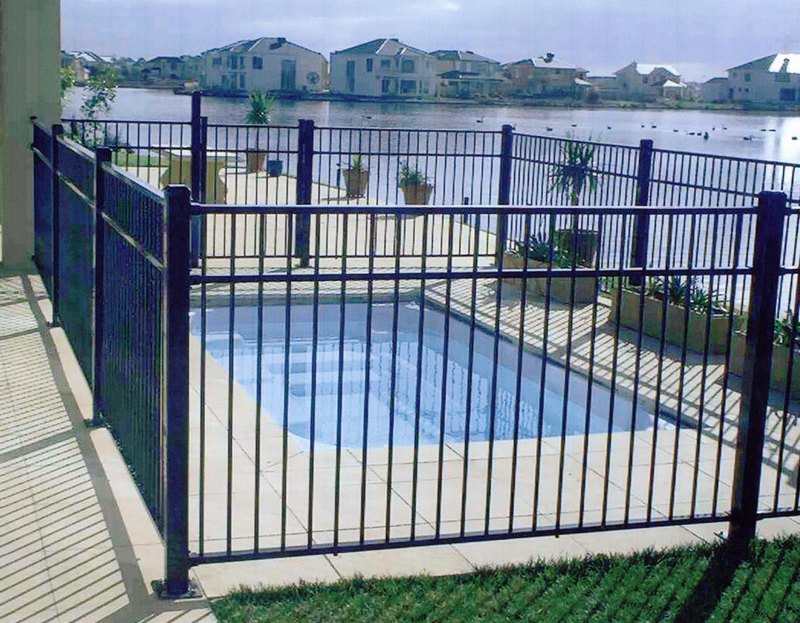
Maintaining a pool safety fence is an essential responsibility for any property owner to protect children and pets from accidental drownings. Routine inspections help you catch minor rust spots, loose hinges, and structural fatigue before they turn into major safety hazards.
Seasonal weather changes, pool chemicals, and constant moisture subject pool enclosures to harsh environmental wear over time. Establishing a consistent inspection schedule ensures your safety barrier remains fully functional and compliant with local safety codes.
Pre-Summer Season Safety Inspections Before Peak Swimming Months
Inspecting your pool fence in early spring before opening the pool for summer is the most critical check of the year. Catching structural damage or latch issues early gives you plenty of time to complete necessary repairs before guests and family start using the area.
- Test self-closing hinges and self-latching gate mechanisms to guarantee reliable latching every single time.
- Check post footings set in concrete or deck pavers for movement or loosening caused by winter frost heave.
- Examine metal components for surface rust or paint peeling caused by winter moisture exposure.
Verifying that your gate closes and latches automatically from any open position prevents tragic accidents during summer gatherings. Ensuring the entire perimeter is secure sets the foundation for a safe swimming season.
Post-Storm Inspections After Severe Weather Events
Heavy windstorms, torrential rain, and fallen tree branches can cause sudden structural damage to pool enclosures without warning. Checking your fence immediately after severe weather allows you to identify hidden cracks, bent posts, or compromised mesh panels right away.
- Inspect glass or mesh panels for cracks, tears, or loose mounting hardware caused by high wind pressure.
- Check whether heavy rainfall washed away soil or loosened ground anchors around post bases.
- Ensure overhanging tree branches did not bend top rails or damage gate alignments during the storm.
Promptly addressing storm damage keeps your pool area securely enclosed without dangerous gaps. Fixing bent components right away prevents structural weakness from spreading throughout the fence line.
End-of-Season Checks Before Closing Your Pool for Winter
Conducting an end-of-summer inspection before putting on the pool cover ensures winter weather does not worsen existing wear. Identifying hardware issues in autumn allows you to treat exposed metal before freezing rain and snow cause severe corrosion.
- Clean off splash-back chemical residue, chlorine, and salt deposits from metal pickets and hinges.
- Apply a rust-inhibiting primer or touch-up paint to any scratched metal surfaces.
- Lubricate gate latches and spring hinges with silicone spray to prevent winter freezing and binding.
Washing off pool chemicals neutralizes corrosive elements that eat away at protective coatings during winter months. Protecting metal surfaces before cold weather strikes extends the overall lifespan of your fencing materials.
Monthly Hardware and Gate Latch Functionality Checks
While seasonal inspections cover the entire structure, checking hardware and gate mechanisms should occur on a monthly basis. High-frequency gate usage naturally causes screws to loosen and springs to lose tension over time.
- Tighten all loose screws, brackets, and mounting bolts on gates and support posts.
- Confirm that the gate latch is positioned at the legally required height above grade.
- Check that mesh panel sleeves sit tightly in their deck holes without excessive wobbling.
Routine monthly checks keep small hardware adjustments from turning into complete gate failures. Maintaining tight fasteners ensures your pool gate operates smoothly and securely every time it is used.
Bi-Annual Corrosion Inspections for Saltwater and High-Humidity Pools
Saltwater pool systems and humid coastal climates accelerate metal oxidation, causing rust to form much faster on steel and aluminum enclosures. Performing dedicated corrosion checks twice a year helps you spot hidden rust near water lines and structural welds.
- Inspect post bases and bottom rails closely for flaking paint and bubbling metal.
- Check stainless steel hardware for pitting or surface rust caused by salt air and chemical vapor.
- Scrub away early rust deposits with a wire brush and seal the area immediately with protective paint.
Catching salt-induced corrosion in its early stages prevents deep pitting that weakens structural integrity. Frequent monitoring guarantees that even high-humidity environments will not compromise your safety barrier.
Protect Your Loved Ones with Timely Pool Fence Maintenance
Regularly inspecting your pool fence for wear and rust is the most effective way to prevent accidents and avoid costly emergency repairs. Taking a proactive approach ensures your barrier remains strong, beautiful, and fully compliant with safety codes year after year.
Do not wait for a gate failure or rusted post to compromise your backyard security. Establish a routine inspection schedule today to enjoy complete peace of mind whenever your family is near the water.