
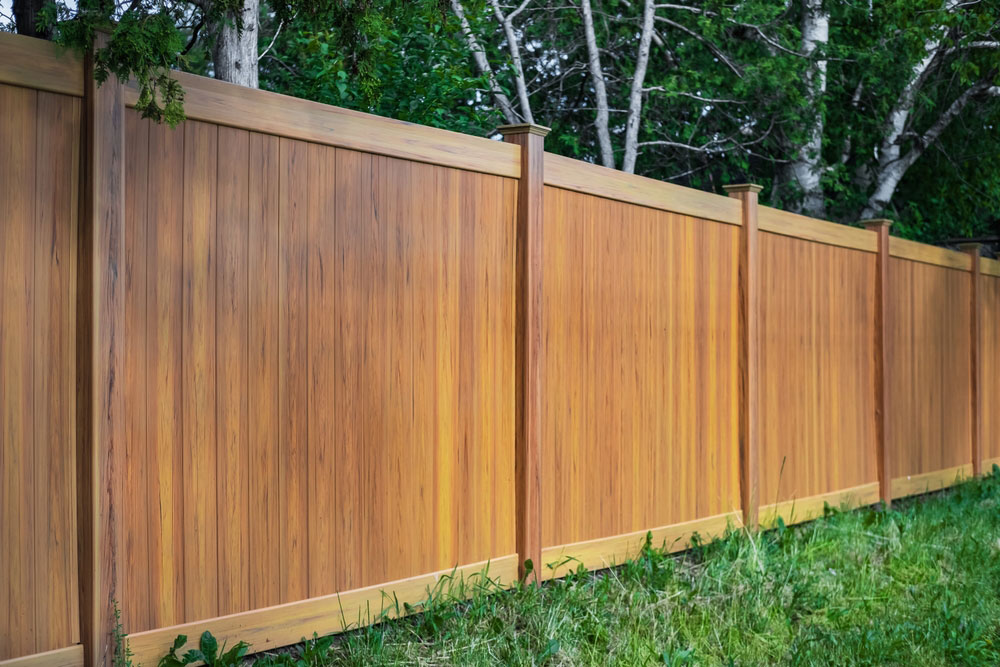
Timing your wood fence installation correctly can make a massive difference in the long-term durability and appearance of your investment. Choosing the ideal season ensures optimal ground conditions, faster contractor scheduling, and proper curing time for your new wooden pickets.
While spring and summer are traditional favorites for home improvement, off-peak seasons like late fall and winter offer surprising advantages for homeowners. Understanding seasonal impacts helps you protect your lumber from warping while locking in the best rates for your project.
Early to Late Fall for Ideal Curing Weather and Moderate Moisture
Fall provides the ultimate sweet spot for installing a wooden fence due to mild temperatures and lower humidity levels. Warm soil combined with cool autumn air allows lumber to dry slowly and evenly without the intense sun exposure that causes warping.
- Schedule installation during dry autumn weeks before the first hard ground freeze occurs.
- Allow fresh pressure-treated lumber to cure naturally in cool, moderate fall air.
- Take advantage of end-of-season lumber prices and faster contractor turnarounds.
Moderate fall weather creates perfect conditions for setting concrete post footings securely without rapid drying. Installing your fence during this window ensures your timber settles evenly before winter storms arrive.
Winter Installation for Faster Contractor Availability and Budget Savings
Many homeowners assume fence building stops during winter, but contractors frequently operate throughout milder cold months. Booking a project during the winter off-season often yields shorter wait times and competitive pricing from eager installation crews.
- Secure lower labor costs by booking during the slow winter home improvement season.
- Enjoy minimal disruption to dormant lawn grass and dormant backyard flower beds.
- Confirm that ground conditions are soft enough for post hole augers before starting.
Winter installations work exceptionally well when the soil remains workable and unfrozen below the frost line. Completing your project in winter means your backyard is fully private and ready to enjoy the moment warm weather returns.
Early Spring for Fresh Outdoor Upgrades Before Summer Rush
Early spring is a popular time to build a new wood fence as homeowners prepare their yards for outdoor entertaining. Starting early in the spring season allows you to beat the peak summer backlog and secure your desired property boundary sooner.
- Book your contractor in late winter to secure an early spring installation slot.
- Avoid planting new garden beds near the fence line until installation crews finish.
- Monitor spring rainfall to ensure ground moisture levels allow proper concrete setting.
Beating the summer rush ensures your fence is built before demand skyrockets and prices increase. Just be mindful of heavy spring rains that can soften the soil and delay post hole digging.
Late Summer for Dry Ground Conditions and Predictable Weather
Late summer offers consistently dry soil and predictable weather patterns, making it easier to dig deep post holes without encountering mud. However, intense summer heat requires extra care to prevent fresh wood from drying out too quickly and cracking.
- Keep uninstalled lumber stacked neatly in shaded areas to prevent premature warping.
- Ensure post hole concrete stays hydrated during hot days so it cures to maximum strength.
- Plan around high summer heat by scheduling digging early in the morning hours.
Dry soil speeds up the excavation process and keeps heavy installation equipment from ruining your lawn. If you choose late summer, just take steps to shield fresh lumber from direct, scorching sunlight during assembly.
Selecting the Right Window for Your Wooden Fence Project
Selecting the best season for your wood fence installation ultimately balances your personal schedule, budget, and local climate patterns. Whether you choose the cost savings of winter or the ideal drying conditions of fall, proper planning guarantees a sturdy final structure.
Carefully evaluating weather trends and contractor availability ensures your new fence lasts for decades without early warping or post movement. Plan your installation today to give your home the privacy, security, and curb appeal it deserves.