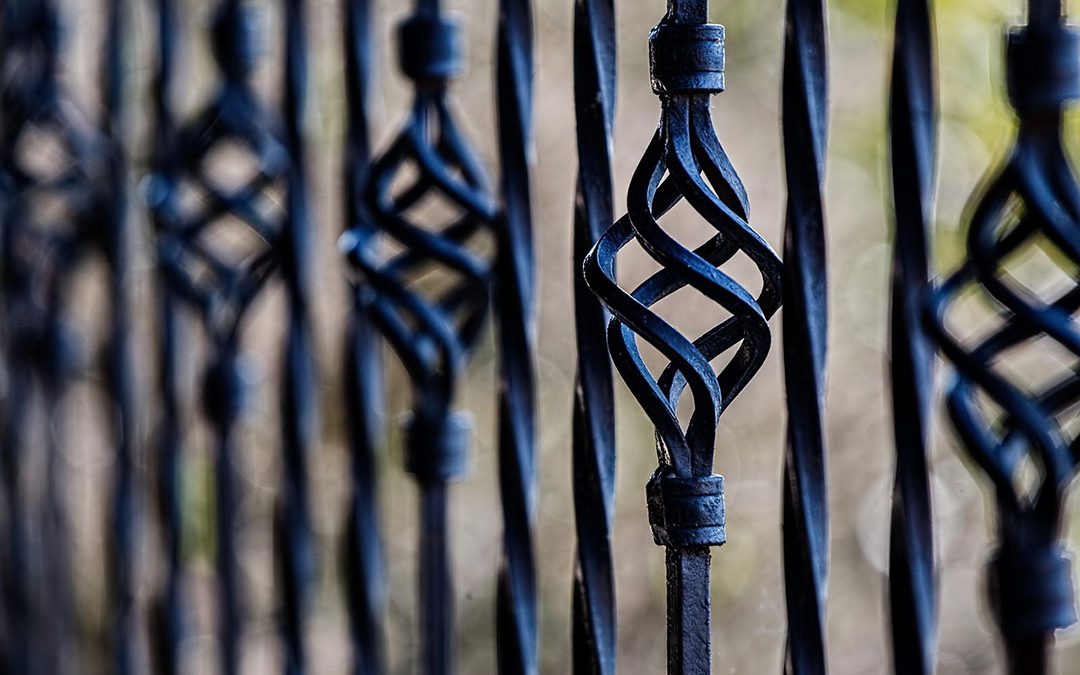
Restoring an old wrought iron fence preserves classic architectural beauty while protecting your property from severe structural decay. Catching surface corrosion early prevents deep pitting that can permanently compromise heavy ornamental metal.
Removing built-up rust restores structural integrity and instantly elevates your home’s overall curb appeal. Taking a methodical approach ensures your historic ironwork remains strong, beautiful, and resilient for years to come.
Scraping Away Loose Flakes and Thick Surface Scaling
Removing loose, flaking rust with manual scraping tools forms the critical first phase of any iron restoration project. Stripping away heavy scaling exposes the underlying metal so subsequent treatments can penetrate effectively.
- Use a stiff wire brush to scrub away flaking paint and raised rust deposits.
- Scrape tight corners and intricate scrollwork with a heavy-duty putty knife or steel scraper.
- Wear protective eye goggles and a dust mask to keep flying debris out of your face.
Clearing off loose debris creates a smooth foundation for deeper rust removal. Thorough scraping ensures that the rust converter and primer stick directly to solid metal rather than loose paint.
Sanding Metal Smooth and Clearing Stubborn Corrosion
Sanding down the scraped metal removes residual surface rust and levels out rough edges between bare metal and old paint. Utilizing coarse-grit sandpaper smooths out pitted areas and preps the surface for a seamless finish.
- Rub down flat rails and post surfaces using medium to coarse sandpaper.
- Wrap flexible sandpaper sheets around round pickets and decorative finials for complete coverage.
- Wipe down the entire frame with a tack cloth or mineral spirits to remove fine sanding dust.
Proper sanding eliminates microscopic rust pockets that could bloom through fresh paint later. Cleaning off sanding dust leaves a pristine surface ready for chemical neutralization.
Neutralizing Deep Pit Rust with a Rust Converter
Applying a chemical rust converter transforms stubborn iron oxide into a stable, black protective barrier. This chemical reaction stops active corrosion in hard-to-reach pits that mechanical scraping cannot completely reach.
- Brush liquid rust converter directly onto pitted, bare iron surfaces using an inexpensive paintbrush.
- Allow the chemical solution to cure completely according to package directions until it turns dark black.
- Avoid applying a rust converter in direct, intense sunlight to prevent the solution from drying prematurely.
Neutralizing hidden rust prevents internal corrosion from eating through your fence from the inside out. This essential chemical step extends the lifespan of old iron significantly beyond simple scraping alone.
Applying a Heavy-Duty Rust-Inhibiting Primer Coat
Coating bare and converted metal with a high-performance rust-inhibiting primer shields iron against moisture and oxygen exposure. Primer creates an oil-resistant foundation that binds securely to metal while accepting topcoat paint smoothly.
- Choose an oil-based, rust-inhibiting exterior primer formulated specifically for iron.
- Coat intricate scrollwork carefully using a small round brush to prevent missed spots.
- Let the primer dry completely before applying secondary protective coats or exterior paint.
A solid primer coat serves as the primary defense against future water penetration and oxidation. Taking time to prime thoroughly ensures your finish coat will not peel, bubble, or flake off.
Sealing with Oil-Based Paint to Block Future Moisture
Finishing your wrought iron fence with high-grade, oil-based exterior paint seals out rain, humidity, and UV rays. Selecting specialized rust-prevention paint guarantees a durable, glossy finish that resists chipping and weather wear.
- Apply two thin, even coats of oil-based paint rather than one thick, heavy layer.
- Inspect decorative joints and weld points to ensure complete paint coverage.
- Schedule touch-ups whenever lawn equipment or debris chips the protective paint surface.
Sealing the iron structure keeps rainwater from contacting bare metal and starting the rust cycle again. A fresh, fully sealed paint job gives your fence long-lasting defense and a polished, elegant look.
Restore Your Ornamental Iron Work for Decades of Beauty
Investing time in proper rust removal restores the original splendor and strength of your wrought iron fencing. Taking action today stops surface corrosion from turning into irreversible structural failure.
Protecting your ornamental metal investment pays off in elevated property value and lasting security. Follow these practical steps to eliminate rust and enjoy a beautifully restored fence all year round.